Korean Bibimbap
Highlighted under: World Favorites
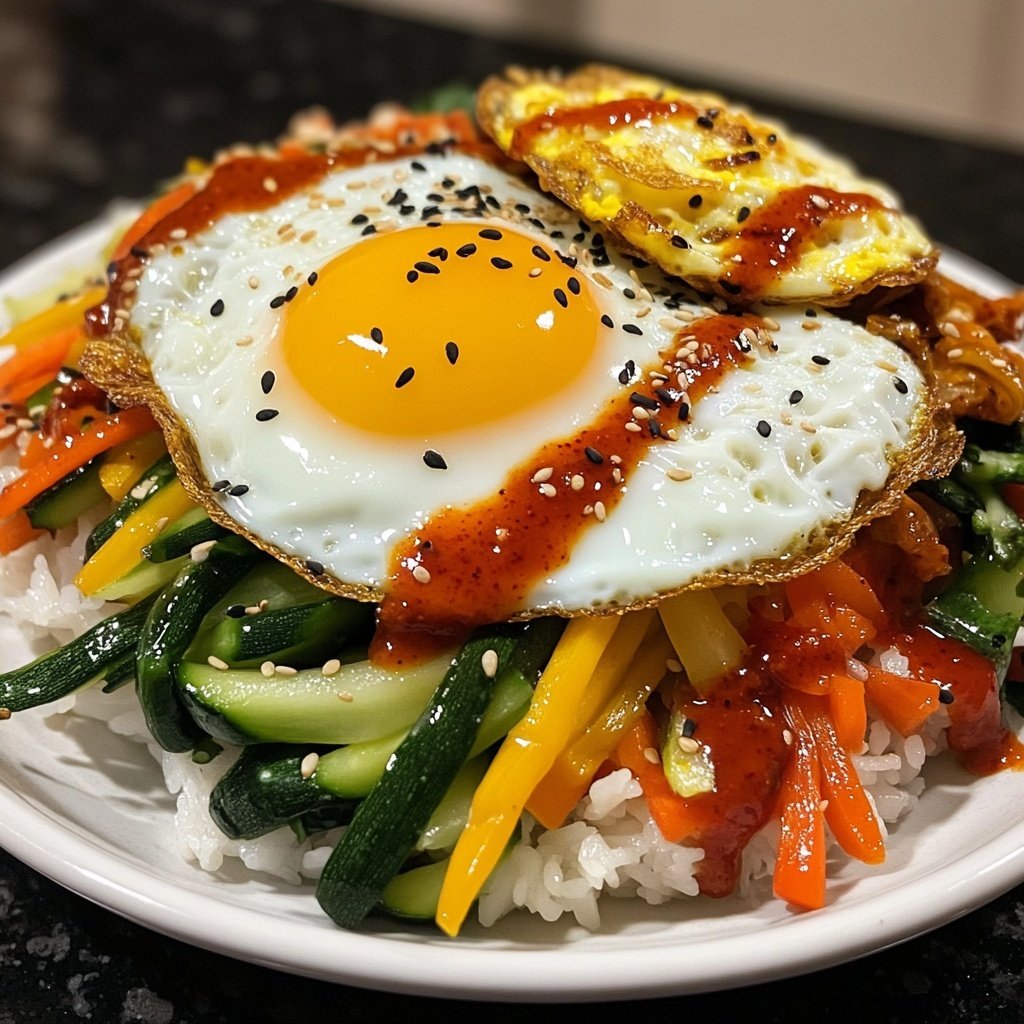
Korean Bibimbap is a vibrant and hearty dish that combines rice with an assortment of vegetables, meats, and a fried egg, all topped with spicy gochujang sauce.
Korean Bibimbap, a traditional Korean dish, is known for its beautiful presentation and rich flavors. Each ingredient contributes to a delightful medley of textures and tastes.
Why You'll Love This Recipe
- A colorful and nutritious meal in one bowl
- Customizable with your favorite vegetables and protein
- Perfect balance of spicy, savory, and fresh flavors
The Essence of Bibimbap
Bibimbap, which translates to 'mixed rice,' is a quintessential Korean dish that beautifully showcases the country's culinary philosophy. This vibrant meal harmonizes various ingredients, each contributing unique flavors and textures. The foundation of bibimbap is a bowl of warm, fluffy rice, which serves as the perfect canvas for colorful vegetables, protein, and a fried egg.
The beauty of bibimbap lies in its versatility. Traditional recipes often use seasonal vegetables, allowing cooks to adapt the dish based on what's fresh and available. Whether you opt for the classic combination of spinach, carrots, and mushrooms or experiment with your favorite veggies, bibimbap can easily cater to personal tastes and dietary preferences.
Moreover, the inclusion of gochujang, a fermented Korean chili paste, elevates the dish with its spicy and umami-rich flavor. This sauce not only adds depth but also ties together the diverse components of bibimbap, creating a satisfying and balanced meal that is both hearty and nutritious.
Nutritional Benefits
Korean bibimbap is not just a feast for the eyes; it also packs a nutritional punch. Rich in vegetables, this dish provides an array of vitamins, minerals, and antioxidants essential for overall health. Each ingredient contributes to a balanced diet, ensuring you receive the necessary nutrients while enjoying a delightful meal.
The use of lean protein, whether from ground beef or tofu, enhances the dish's nutritional profile by offering essential amino acids. This balance of protein, carbohydrates from rice, and fiber from vegetables makes bibimbap an excellent choice for maintaining energy levels and supporting muscle health.
Additionally, the inclusion of healthy fats from sesame oil and the fried egg supports heart health and provides a satisfying richness to the dish. Enjoying bibimbap regularly can promote a well-rounded diet and support a healthy lifestyle.
Tips for Perfecting Your Bibimbap
To elevate your bibimbap experience, consider using a variety of textures in your vegetables. Experiment with different cooking methods such as grilling or roasting to add depth to the flavors. You can also try pickling some vegetables for a tangy twist, enhancing the overall taste and complexity of the dish.
Don’t shy away from customizing your bibimbap! Feel free to substitute the protein with chicken, shrimp, or a plant-based alternative if you're looking for vegan options. Additionally, play around with the levels of spiciness by adjusting the amount of gochujang to suit your palate.
Lastly, serving your bibimbap in a hot stone bowl can create a delightful crispy rice layer at the bottom, known as 'nurungji.' This not only adds an appealing texture but also keeps your dish warm longer, making each bite even more enjoyable.
Ingredients
For the Bibimbap
- 2 cups cooked white rice
- 1 cup spinach, blanched
- 1 cup bean sprouts, blanched
- 1 cup carrots, julienned
- 1 cup zucchini, julienned
- 1 cup shiitake mushrooms, sliced
- 4 eggs
- 1 pound ground beef or tofu
- 2 tablespoons sesame oil
- 2 tablespoons soy sauce
- 1 tablespoon gochujang (Korean red pepper paste)
- 1 teaspoon sesame seeds
Mix and match vegetables and proteins as desired for a personalized touch!
Instructions
Prepare the Ingredients
In separate pans, sauté the spinach, bean sprouts, carrots, zucchini, and mushrooms in sesame oil until tender. Season each vegetable with a pinch of salt.
Cook the Protein
If using beef, cook it in a pan with soy sauce until browned. For tofu, sauté until golden. Set aside.
Fry the Eggs
In the same pan, fry the eggs sunny-side up, ensuring the yolk remains runny.
Assemble the Bibimbap
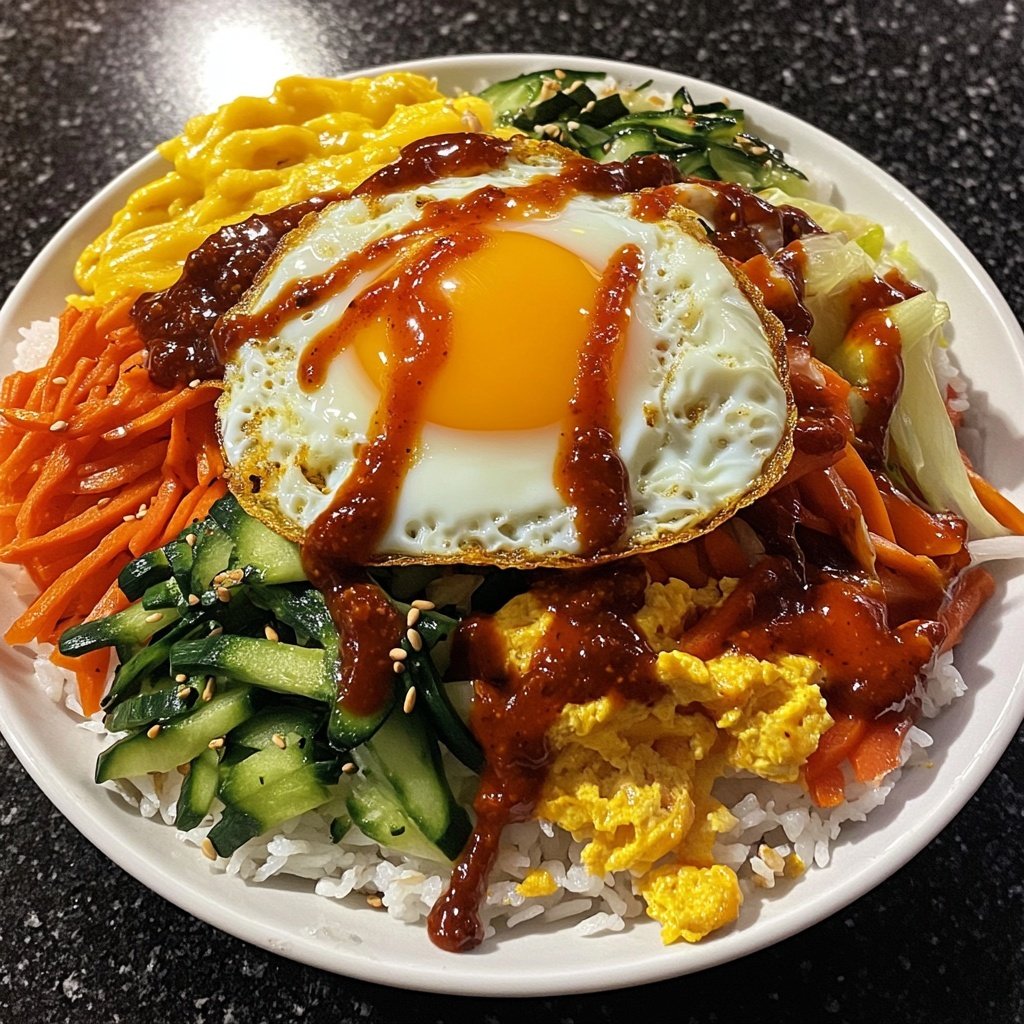
In a bowl, place a serving of rice at the bottom. Arrange the sautéed vegetables and protein on top. Add the fried egg and drizzle with gochujang. Sprinkle sesame seeds to finish.
Serve and Enjoy
Mix everything together before eating to enjoy the full flavor!
Enjoy your homemade Korean Bibimbap with a side of kimchi!
Pro Tips
- Feel free to add more vegetables or use leftovers to make this dish even quicker!
Serving Suggestions
Korean bibimbap is wonderfully adaptable, making it suitable for any occasion. Serve it as a hearty lunch to fuel your day or as an exciting dinner option that impresses family and friends. Pair it with traditional Korean side dishes like kimchi or pickled radishes to enhance the meal's authenticity.
For a light twist, consider serving bibimbap in a lettuce wrap. This method not only adds a refreshing crunch but also makes for a fun, interactive dining experience where everyone can customize their wrap with preferred toppings and sauces.
Storage and Reheating
If you have leftovers, bibimbap can be stored in an airtight container in the refrigerator for up to three days. When reheating, it's best to warm the rice and vegetables separately to maintain their textures. A quick stir-fry in a skillet or a few minutes in the microwave will suffice.
To keep the fried egg intact, consider reheating it separately and adding it to the bowl just before serving. This way, you can enjoy the delightful runny yolk that adds richness to the dish, making each bite as satisfying as the first.
Questions About Recipes
→ Can I make Bibimbap vegetarian?
Yes! Simply replace the meat with tofu or omit it altogether.
→ What can I use instead of gochujang?
You can use sriracha or chili paste, but the flavor will differ.
→ Is Bibimbap healthy?
Yes, it's packed with vegetables and can be made with lean protein for a nutritious meal.
→ Can I prepare the ingredients ahead of time?
Absolutely! You can chop the vegetables and cook the rice a day in advance.
Korean Bibimbap
Created by: Ffion Llewellyn
Recipe Type: World Favorites
Skill Level: Intermediate
Final Quantity: 4 servings
What You'll Need
For the Bibimbap
- 2 cups cooked white rice
- 1 cup spinach, blanched
- 1 cup bean sprouts, blanched
- 1 cup carrots, julienned
- 1 cup zucchini, julienned
- 1 cup shiitake mushrooms, sliced
- 4 eggs
- 1 pound ground beef or tofu
- 2 tablespoons sesame oil
- 2 tablespoons soy sauce
- 1 tablespoon gochujang (Korean red pepper paste)
- 1 teaspoon sesame seeds
How-To Steps
In separate pans, sauté the spinach, bean sprouts, carrots, zucchini, and mushrooms in sesame oil until tender. Season each vegetable with a pinch of salt.
If using beef, cook it in a pan with soy sauce until browned. For tofu, sauté until golden. Set aside.
In the same pan, fry the eggs sunny-side up, ensuring the yolk remains runny.
In a bowl, place a serving of rice at the bottom. Arrange the sautéed vegetables and protein on top. Add the fried egg and drizzle with gochujang. Sprinkle sesame seeds to finish.
Mix everything together before eating to enjoy the full flavor!
Extra Tips
- Feel free to add more vegetables or use leftovers to make this dish even quicker!
Nutritional Breakdown (Per Serving)
- Calories: 550 kcal
- Total Fat: 22g
- Saturated Fat: 5g
- Cholesterol: 200mg
- Sodium: 700mg
- Total Carbohydrates: 67g
- Dietary Fiber: 5g
- Sugars: 5g
- Protein: 20g